


Visualising Your Personal Goals: Turning Ambitions Into Reality
When it comes to achieving personal goals, clarity and focus are everything. Whether you want to save for a dream holiday, complete a marathon, or embark on a new career path, visualising your goals can transform your ambitions into actionable plans. By creating a tangible representation of what you want to achieve, you give your dreams structure and momentum.
Personally speaking, I understand the power of visuals to simplify and inspire at an individual level more than anyone—I used this concept when my partner and I bought our dream home!
Check out the video I recorded about this at the time
Here’s how visualising your personal goals can make all the difference.
Why Visualising Personal Goals Works
1. Clarity Brings Confidence
It’s easy to feel overwhelmed by big goals. By visualising them, you break them into manageable, clear steps. A visual map of your aspirations reduces uncertainty and makes the path forward feel achievable.
Example: Instead of just saying, “I want to get fit,” you might create a visual timeline that shows the milestones: signing up for a gym, walking 5km, then running 5km, and completing a half-marathon.
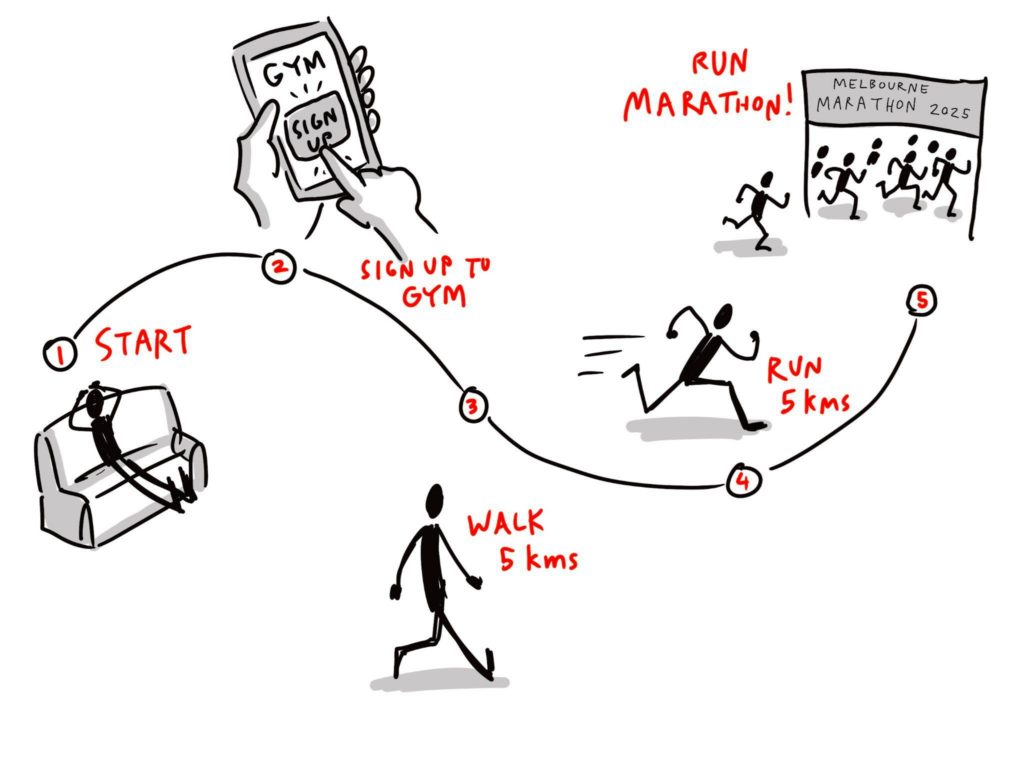
2. Turning Motivation Into Action
A visual goal acts as a daily reminder of what you’re working toward. Seeing your progress mapped out can reignite motivation when challenges arise, helping you stay on track.
Example: A vision board for saving money might include images of the car you want to buy or a beach that represents your dream holiday.
3. Engaging Your Subconscious Mind
Visualisation taps into how the brain processes information. Studies have shown that when you visualise success, your brain interprets it as if you’ve already achieved it. This creates a sense of familiarity and confidence, making you more likely to take steps toward your goals.
How Visualising Personal Goals Helps You Succeed
1. Improving Focus
A visual representation of your goals keeps them front and centre. Whether it’s a colourful mind map, a detailed timeline, or a symbolic drawing, the act of creating a visual forces you to refine your priorities.
Benefit: You’re less likely to get sidetracked by distractions because your goals are always visible.
2. Tracking Progress
Seeing progress visually is incredibly satisfying. It provides a sense of accomplishment and encourages you to keep going. Visualising your goals allows you to build in checkpoints and celebrate small wins along the way.
Example: A habit tracker with boxes to tick off each day you work toward a goal can provide a powerful sense of achievement.
3. Staying Accountable
When your goals are visually represented, they feel more concrete. Sharing these visuals with a friend, mentor, or coach can add an extra layer of accountability.
Benefit: Others can support and encourage you when they understand your journey.
4. Unlocking the Subconscious
When you visualise your goals, without realising it, you often do the work to figure out how to tackle obstacles. Then when that obstacle comes up, it’s easy to move on past, because you’ve already done the thinking necessary to combat it.
With my house purchase, it turns out that many of the “perceived” obstacles were, in fact, excuses. Once I saw them for what they were, they were no longer in my way. The universe then rewarded me by delivering an opportunity—and I was ready to pounce!
Ideas for Visualising Personal Goals
Vision Boards
Use images, quotes, and symbols to create a collage of your aspirations. Vision boards are great for long-term, abstract goals like improving well-being or starting a new lifestyle.
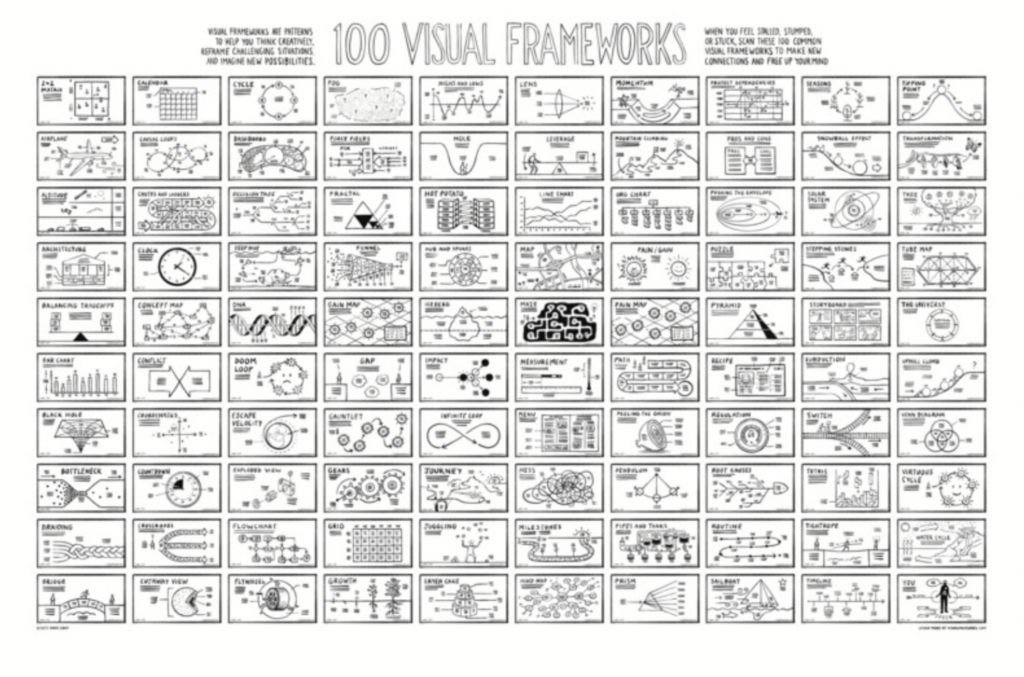
Use A Visual Framework
Starting with a visual framework can simplify the process of visualising your goals. Using well-established metaphors such as climbing a mountain, navigating your way out of a maze, or crossing a bridge, offer a structured way to represent key milestones, timelines, or actionable steps, ensuring your visuals are clear and purposeful.
Example: A template for financial goals might include sections for income, expenses, and savings targets, helping you organise and visualise your path to success.
Timelines
Create a visual timeline to track your progress toward a goal. For example, a timeline for learning a new skill could show milestones like completing an online course or practicing for 30 minutes a day.
Personal Diagrams
If you’re a visual thinker, diagrams can be a powerful way to represent priorities. For instance, a bubble diagram can help you balance personal goals like career development, family time, and hobbies.
The Emotional Impact of Seeing Your Goals
Visualising your goals isn’t just a practical tool—it’s an emotional one. Seeing your aspirations represented visually can:
- Reignite your passion for what you want to achieve.
- Build optimism by showing progress.
- Reduce anxiety by creating a sense of control.
Visualising Goals for a More Fulfilling Life
As you can see, visualising your personal goals can be really, really powerful. I’ve seen firsthand how powerful visuals can be in turning ideas into action with Sketch Group’s clients and in my own life. Visualising your personal goals helps you dream bigger, stay focussed, and celebrate the journey along the way.
If you’re ready to bring clarity and momentum to your personal ambitions, let us help you create visuals that inspire and empower. Contact us today to learn more!

